


Russia may be about to default on its debts after Western sanctions were imposed in the wake of its invasion of Ukraine.
It is due to make $117m in interest payments to investors on two dollar-denominated bonds today.
But Russia's access to $630bn (£470bn) of foreign currency reserves has now been frozen.
Credit ratings agencies have warned that a debt default is "imminent".
The International Monetary Fund (IMF) has said while it is concerned about the impact of any Russian debt default, it does not believe this would trigger a global financial crisis.
The Russian government - and firms such as Gazprom, Lukoil and Sberbank - owe about $150bn to overseas investors.
Most of this is in either dollars or euros, and Russian institutions are now barred from accessing dollar or euro assets that are held abroad because of sanctions.
If Russia does default, it will be the country's first debt default since 1998.
It would also be its first default on a foreign-currency debt since the 1917 revolution when the new Bolshevik government refused to recognize the debts of the last tsar.
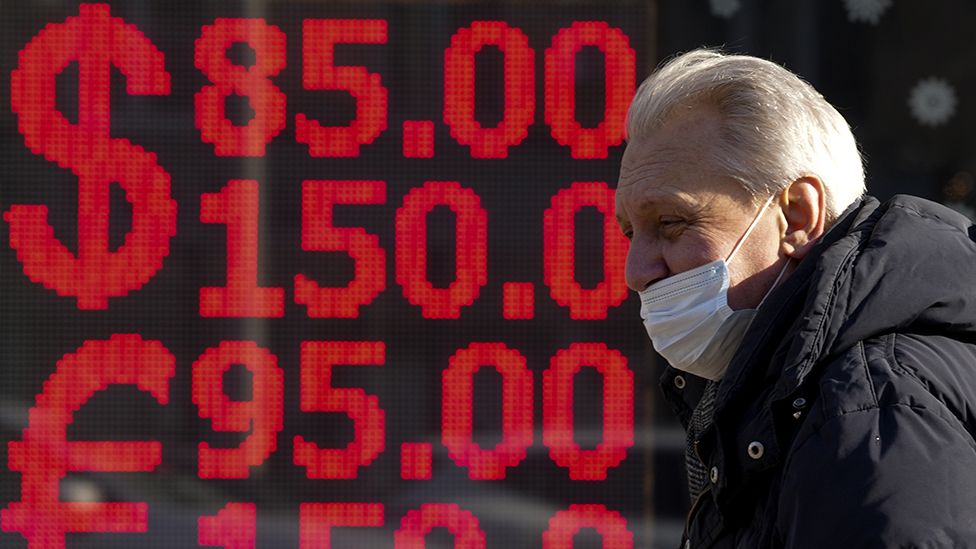
The government may decide to pay with dollars that are actually held in Russia - whilst it can't access dollars held overseas it does have some dollars held domestically. If that were to happen then default worries would go away for now.
Another possibility is that Russia does not pay today - even though the $117m is due today, technically there is a 30-day grace period to finally settle the bill by 15 April.
A third option is where Russia pays in roubles. Its foreign ministry has said it would make payments to international investors in roubles if it were stopped from paying them in dollars or euros.
However, neither of the two dollar-denominated bonds which need to be paid today allow for any other currency to be used, so this would likely to trigger a default.
Some of Russia's other debt agreements do allow for different currencies to be used - in which case paying in roubles could be acceptable.
This would depend on whether the rouble payment was judged to be the same value as the original dollar or euro payment that investors were expecting.
Investors in Russia have seen the value of their investments slump in recent days.
The problem for many will have been the swiftness of Russia's fall from financial grace, which has left them with little time to react by selling-off their holdings.
Credit ratings agency Moody's says that in its 21-point ratings scale, which indicates how reliable a country is as a place to invest, Russia's rating is now at its second-lowest, and could fall still further.
Moody's says this rating means both that it expects Russia to default, and that it is warning investors in Russia that they could lose between 35% and 65% of their money.
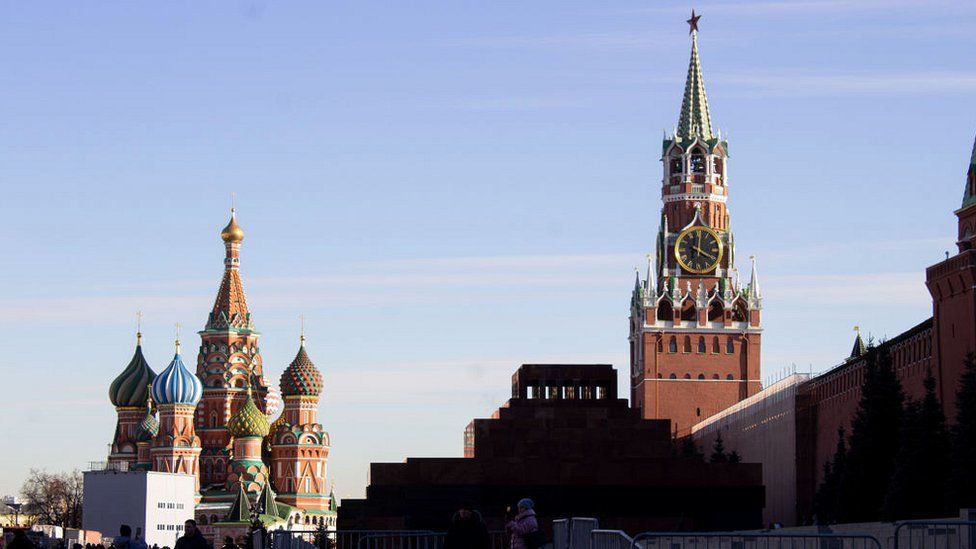
Investors in Russia have seen the value of their investments slump in recent days
The last time that Russia defaulted - in 1998 - it sent shocks through the financial markets. A default now would be hugely symbolic, but is "unlikely to have significant ramifications", according to Capital Economics chief economist William Jackson.
The IMF has said it will downgrade its forecast of 4.4% global economic growth in 2022 as a result of the war. However, IMF head Kristalina Georgieva has also discounted the idea of a wider shock to the global financial system from a Russian default.
But she warned that the sanctions imposed on Russia would lead to a "deep recession" there, and that the war would drive up global food and energy prices.
The unknown factor, as yet, is what debt defaults there may be by Russian firms - and what impact these may have on overseas investors who have heavily invested in Russia.
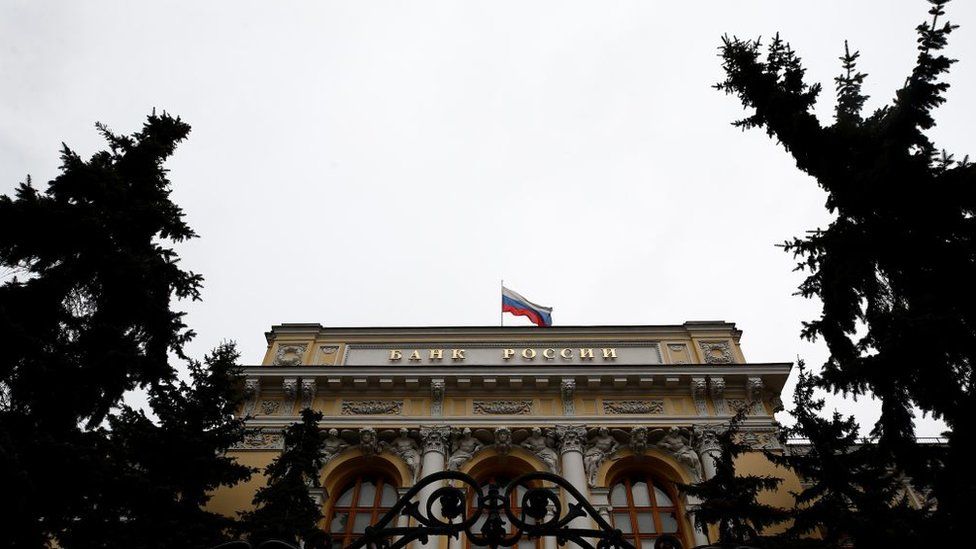
Russia's central bank has significantly raised interest rates in a bid to curb inflation
Any debt default is likely to exacerbate the financial and economic problems Russia is now facing.
Before it invaded Ukraine, Russia was considered one of the most creditworthy countries in the world, with low debt levels. But things have now dramatically changed.
Foreign firms have left in droves, and Moscow has already imposed strict credit controls to limit the outflow of money in order to protect the economy and the rouble. Despite this, Russia's economy is set to shrink 7% this year as a result of sanctions.
Inflation in February was already 9.15% before the invasion of Ukraine. It is now forecast to surge significantly this year - despite Russia's central bank raising interest rates from 9.5% to 20%.
Copyright © Australian Daily © 2022